
Physiotherapy FAQs
Understanding your treatment helps you recover with confidence. Here are the questions our patients ask most — tap any question to read the answer.
Who Needs Physiotherapy?
Physiotherapy is a healthcare treatment that helps you move, function and live with less pain. A physiotherapist assesses how your muscles, joints, nerves and movement patterns are working, then builds a plan using hands-on therapy, exercise and, where suitable, therapeutic technology.
Anyone whose pain, injury, illness or ageing is limiting how they move or function. That includes office workers with neck and back pain, athletes and weekend sportspeople, people recovering from surgery or stroke, children with developmental or movement concerns, and seniors who want to stay strong and steady.
Not necessarily. You can book a consultation directly, and your physiotherapist will advise you if you need to see a doctor or have further tests first.
No. Early treatment usually means a shorter, simpler recovery. Pain that lasts more than a few days, keeps returning, or stops you doing normal activities is a good reason to book a consultation.
Common examples are neck, back and shoulder pain, knee problems, sports injuries, post-surgery recovery, stroke rehabilitation, paediatric movement concerns, and mobility and balance problems in older adults.
No. Physiotherapy also helps prevent problems. A preventive programme can improve posture, strengthen weak areas, and reduce the chance of injury or of an old problem coming back.
Yes. Treatment is adjusted to the person's age, strength and goals. Children's sessions are gentle and play-based where possible. Seniors focus on strength, balance and confidence in everyday movement.
Often yes. Medicine and surgery treat the problem, while physiotherapy helps you regain strength, movement and function afterwards. Your physiotherapist will work alongside your doctor's advice.
Understanding Pain and Pain Management
Pain management is a planned approach to reducing pain and helping you move and function better. It looks at the cause of your pain, not just the symptom, and combines treatments such as manual therapy, exercise, therapeutic technology, education and lifestyle advice.
Acute pain is short-term and usually follows an injury or surgery. It tends to settle as the body heals. Chronic pain lasts longer than about three months, or continues after the tissue has healed. It often needs a broader plan that includes movement, strength and daily habits.
Pain is not only a signal from damaged tissue. The nerves and brain can become more sensitive over time, and stiffness, weakness, stress and poor sleep can all keep pain going. This is why long-standing pain usually improves best with a combination of treatments.
Your first session includes a conversation about your history, symptoms and goals, followed by a physical assessment of posture, movement, strength and flexibility. From this, your physiotherapist explains what is likely driving your pain and agrees a treatment plan with you.
That is a decision for you and your doctor. Many people manage well with physiotherapy alone, and some use it alongside medication. Physiotherapy does not replace medical care when it is needed.
Usually yes, when the exercises are chosen and progressed for you. Staying gently active generally helps recovery better than complete rest. Your physiotherapist will show you what is safe and what to avoid.
It depends on the condition, how long you have had it and how consistently you follow the plan. Some people notice relief within a few sessions, while long-standing problems take longer. Your physiotherapist will give you a realistic timeline after your assessment.
Seek medical care straight away for chest pain, sudden severe headache, loss of bladder or bowel control, new numbness or weakness in the legs, high fever with pain, or pain after a serious fall or accident.
Why Combine Technology with Manual Therapy?
Manual therapy is hands-on treatment by a physiotherapist, such as joint mobilisation, soft-tissue release, massage and stretching. It helps reduce stiffness and muscle tension and restores movement.
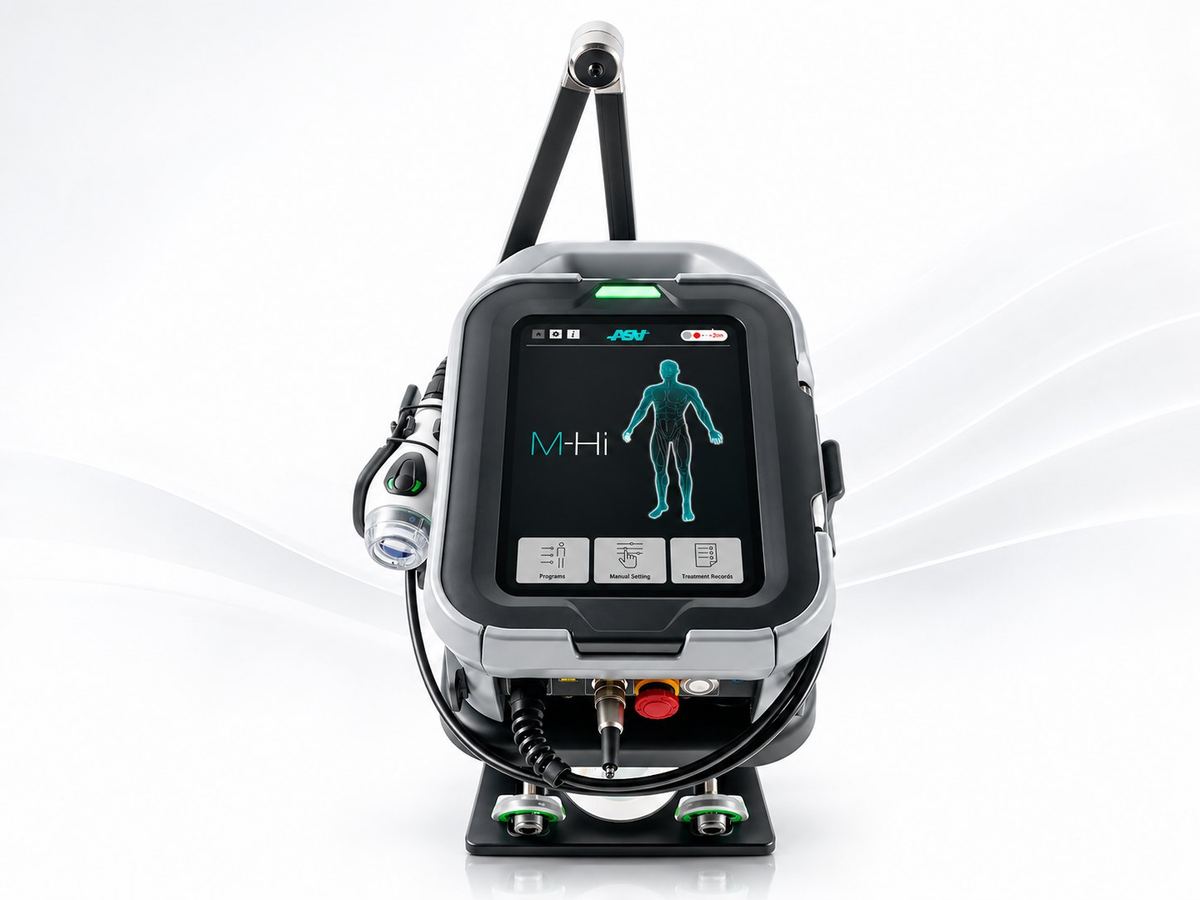
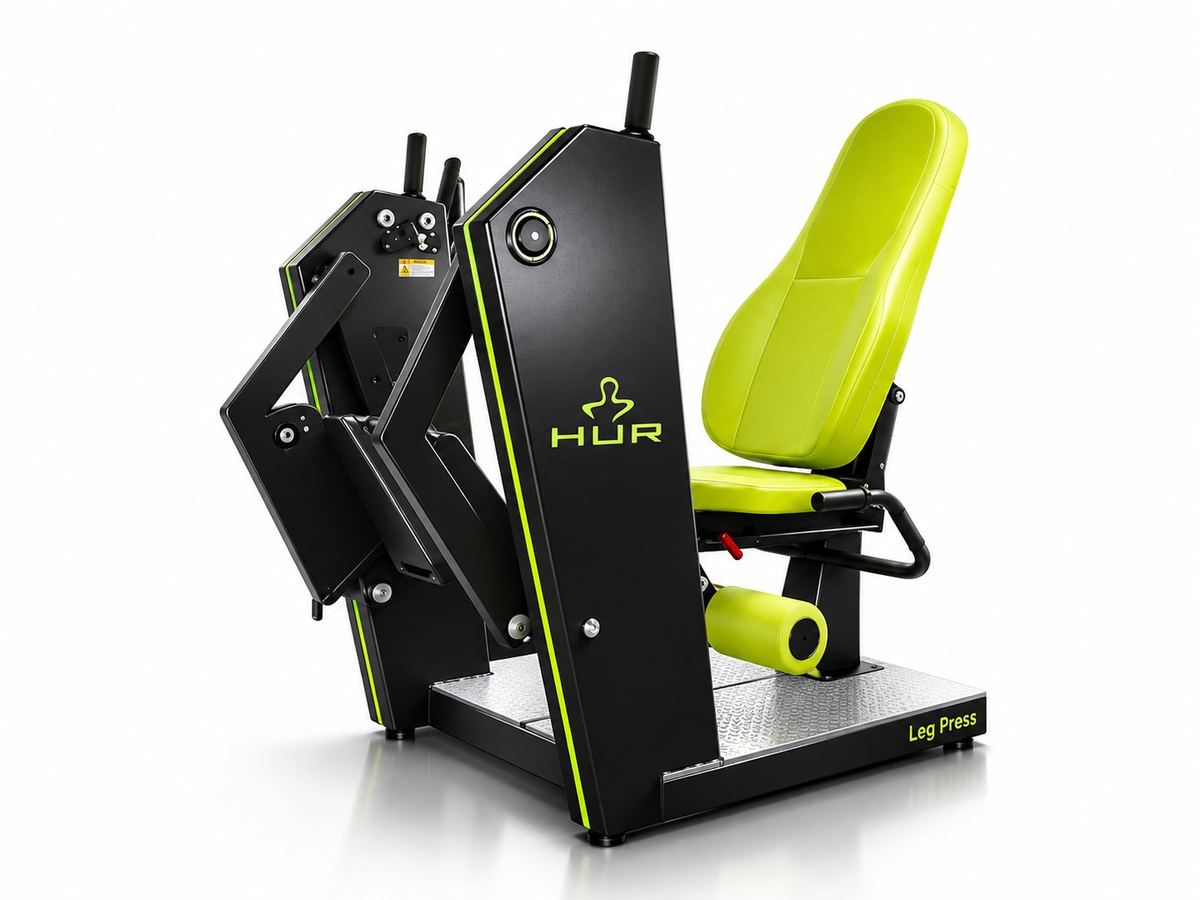
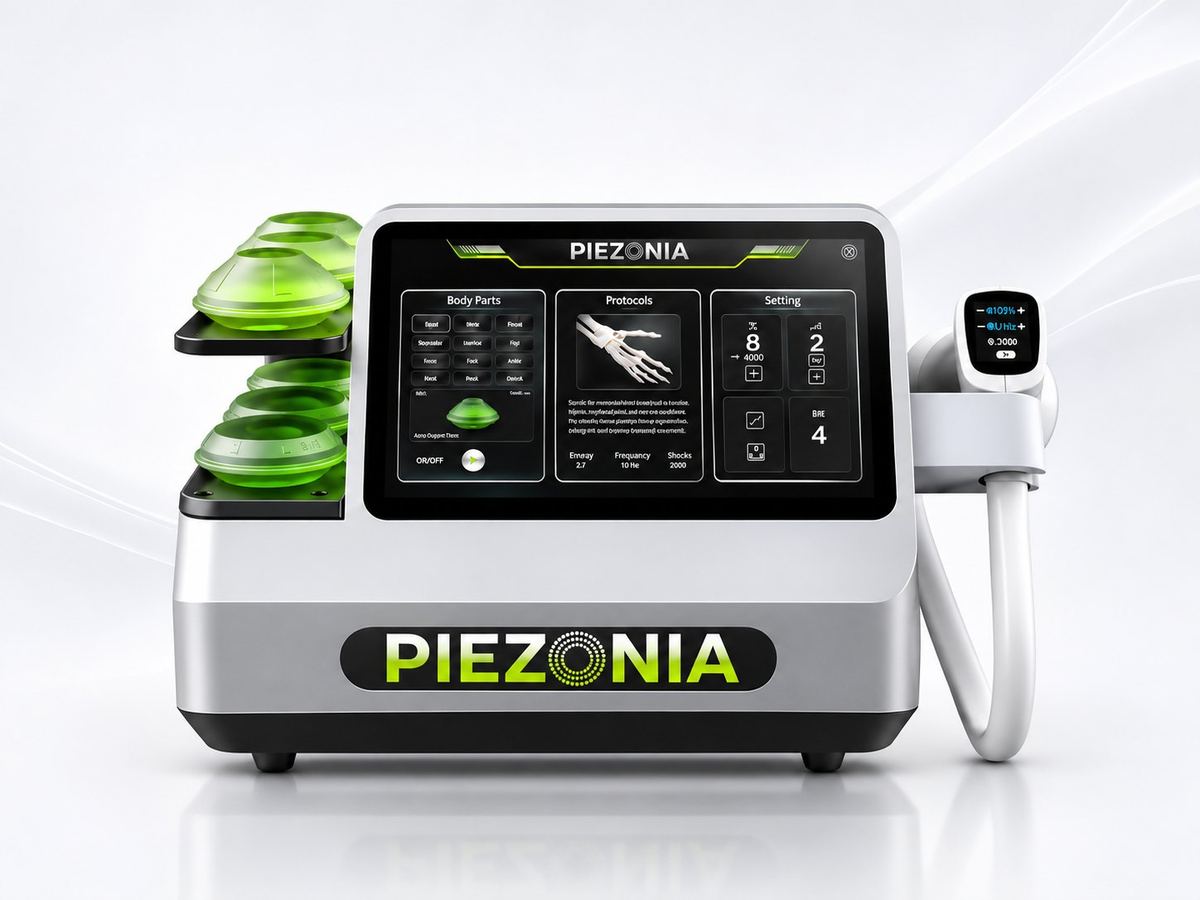
Each does a different job. Hands-on therapy restores movement and releases tight tissue. Technology can reach deeper tissue, calm pain, support healing and let us measure and progress your strength precisely. Together they often give a more complete recovery than either alone.
No. Every machine is chosen, set and supervised by your physiotherapist based on your assessment. Technology supports good clinical care and never replaces it.
Combining hands-on therapy and technology gives you:
- Pain relief that makes it easier to move and exercise
- Support for tissue healing
- Faster progress through hands-on and exercise stages
- Objective ways to track your strength and improvement
- A treatment plan matched to your condition rather than one-size-fits-all
No. Your session is led by your physiotherapist, who stays with you throughout. Machines are one part of the session and are used only when they suit your condition.
When used correctly by trained professionals, yes. Your physiotherapist screens you first, because some devices are not suitable for people with certain conditions, implants or pregnancy. Please tell us about your full medical history.
At Amara Physio, our pricing is flat and all-inclusive. Use of our equipment is included in your session fee, with no separate charge for each machine.
Visiting Amara Physio
You start with a consultation covering your history, symptoms and goals, followed by a physical assessment. Your physiotherapist explains the findings, agrees a plan with you, and often begins treatment in the same visit.
Wear comfortable clothing that lets you move and lets the therapist reach the area being treated. Bring any scans, reports or medication lists from your doctor.
Message us on WhatsApp at +60 13-679 0866 or email hello@amaraphysio.com. Our team will confirm a time that suits you.
Yes. We offer dedicated paediatric, senior citizen and student sessions.
Our Bandar Baru Bangi centre is at G-10, Jalan 8/35, Taman Seri Bangi, Seksyen 8, 43650 Bandar Baru Bangi, Selangor. More locations are opening soon, so please see the Locations section of this website.
Medical disclaimer: This information is for general education and does not replace advice from a qualified healthcare professional. Treatment suitability depends on your individual assessment.
Visit Amara Physio in Bandar Baru Bangi
Our Bandar Baru Bangi centre is open. Message us on WhatsApp and our team will help you book an assessment.